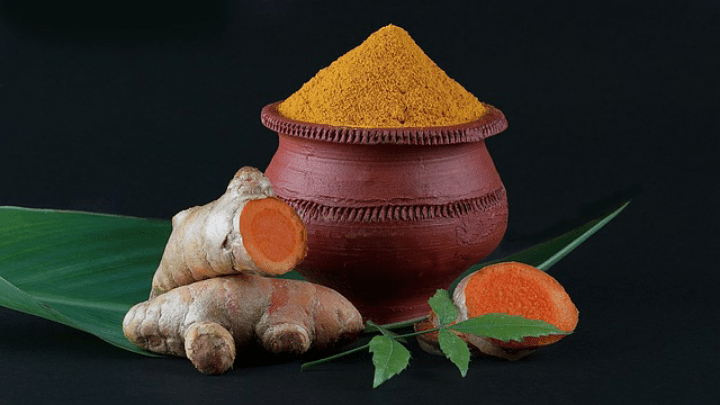
Turmeric is a herbal spice that is rich in the antioxidant curcumin that expresses most of the health benefits of turmeric. This compound is bestowed with powerful anti-inflammatory and immune-boosting properties.
The turmeric spice is commonly used in most Indian and asian dishes. It has a distinguished yellowish color and a unique pleasant flavor when added to dishes. It may be used both as a food and medicine due to its rich nutrient composition. Turmeric uses in medicine span over time immemorial on planet earth. Turmeric is also used to dye some products due to its color
Turmeric Uses For Health
Turmeric Uses For High Blood Pressure
Turmeric is rich in vitamins, minerals and phytonutrients that help protect the cardiovascular system. The bad cholesterol deposition in arteries is kept in check by turmeric. Therefore it helps prevent arteriole clogging that leads to arteriosclerosis. The narrowing of arteries results in the elevation of blood pressure. However turmeric is capable of cleansing the clogged arteries leading to reduced blood pressure, prevention of clot formation in the brain leading to strokes and also preventing clogging of the heart arteries.
Turmeric Uses For Cholesterol Lowering
Turmeric contains a number of nutrients that are powerful antioxidants. These nutrients help in the prevention of bad cholesterol being deposited in the cardiovascular systems arteries. It also helps in improving metabolism.
Turmeric Uses For Hair
Turmeric has both antioxidant and antibacterial properties. These are quiet beneficial in the promotion of hair health. Turmeric promotes blood flow to the scalp ensuring a steady supply of oxygen and nutrients. These help healthy hair to grow. Any bacterial infections are also dealt with. Therefore the hair benefits in a number of ways.
Turmeric Uses For Diabetes
Turmeric helps lower blood sugar and hence is beneficial for use in diabetes. Since its rich in antioxidants , this helps protect damage to the kidney due to the condition. It may also help in trying to resolve erectile dysfunction.
Turmeric Uses For Memory Boosting
Since turmeric improves the health of the arteries even in the brain, it impacts it positively. There is improved blood flow delivering the much needed oxygen and nutrients to help the cognitive functions.
Turmeric Uses For Inflammation
The curcumin component of the turmeric is known to be a very powerful antiinflammatory agent. It also helps lower the feeling of pain. The curcumin in conjunction with other nutrients help in alleviating both inflammation and pain in conditions such as arthritis.
Turmeric Uses For Weight Loss
Turmeric improves both digestion and metabolism. It also helps bad cholesterol from being deposited in the body. Therefore it promotes fat burning and elimination resulting in weight loss.
Turmeric Uses For Immune Boosting
Turmeric is rich in antioxidants that help neutralize the negative impact of free radicals in the destruction of immune cells. They help protect and fortify the immune system.
Turmeric Uses For Skin
Turmeric has antibacterial properties that help eliminate harmful bacteria on the skin. It is capable of eliminating bacteria that cause acne and keep the skin clean and smooth.
Turmeric Uses For Depression
Depression is positively impacted with the consumption of turmeric. It helps boost the mood. It boosts the production of some of the mood boosting chemicals.
Using Turmeric

There are a number of ways that turmeric may be consumed. Some of the most common ways are:
- the raw turmeric may be blended together with other ingredients when preparing a smoothie.
- we can add the turmeric powder to our soups as we prepare our dishes
- during vegetable preparation turmeric may again be incorporated with other spices.
- many people add it to their rice while cooking to impart that yellow color that ignites the appetite.
- we can also prepare a turmeric tea. This can be made mixed with say ginger powder and some honey. Some people also may mix it with coconut milk and honey. Its all up to you based on your taste.
You may use about 1 to 2 teaspoonful of turmeric powder daily depending on your state of health and your objectives.
There are some side effects that may be observed by some people but are only mild. These could include say nausea, stomach upset or even diarrhoea. All these depend on the dosage taken and whether taken on an empty or full stomach.
Generally we can see that turmeric is a spice that should not miss in our kitchen. By using it as part of our food we are actually practicing preventive healthcare. We are keeping chronic degenerative diseases away e.g cancer, arthritis, diabetes, high blood pressure, cardiac problems, memory problems etc. It can also be a part of our arsenal to halt or even reverse chronic disease.

- A New Way of Looking at Arthritis: Healing Beyond the Joints|Joint Care TipsDiscover a transformative approach to arthritis. Learn how diet, movement, stress management, herbs, and lifestyle choices can reduce inflammation, relieve pain, and improve joint health naturally. Introduction For decades, the story of arthritis has been written in a way that leaves most people feeling powerless. We’ve been told that our joints are simply “wearing out,”… Read more: A New Way of Looking at Arthritis: Healing Beyond the Joints|Joint Care Tips
- Osteoarthritis Myths Debunked: Evidence-Based Truths About Joint Health: Joint Care TipsDebunking common osteoarthritis myths—discover the truth about joint regeneration, pain management, and non-surgical treatments. Learn how to protect your joints with science-backed strategies! Introduction Osteoarthritis (OA) affects millions worldwide, yet it remains one of the most misunderstood conditions. Many believe it’s an inevitable part of aging, that cartilage loss is irreversible, and that joint replacement… Read more: Osteoarthritis Myths Debunked: Evidence-Based Truths About Joint Health: Joint Care Tips
- How to Create a Daily Journal to Track Your Arthritis Symptoms: Joint Care TipsLearn how to create a simple and effective daily journal to track your arthritis symptoms, manage flare-ups, and improve your overall joint health. Introduction Arthritis can be a challenging condition to manage, affecting not only your physical health but also your emotional well-being. One effective way to take control of your arthritis is by keeping… Read more: How to Create a Daily Journal to Track Your Arthritis Symptoms: Joint Care Tips
- How to Use Natural Remedies to Enhance Your Arthritis Treatment Plan: Joint Care TipsDiscover natural remedies to complement your arthritis treatment plan. Learn about anti-inflammatory foods, herbal supplements, exercise, and lifestyle changes to reduce pain and improve joint health naturally. Introduction Arthritis is a common condition that affects millions of people worldwide, causing pain, stiffness, and inflammation in the joints. While conventional treatments such as medications and physical… Read more: How to Use Natural Remedies to Enhance Your Arthritis Treatment Plan: Joint Care Tips
- The Role of Vitamin D in Arthritis: Natural Sources and Benefits: Joint Care TipsDiscover the role of Vitamin D in arthritis, including its benefits for joint health, natural sources (sunlight, fatty fish, fortified foods), and how deficiency may worsen inflammation. Learn how maintaining optimal Vitamin D levels can support arthritis management and overall bone strength. Check Out: From Pain to Power: Healing Osteoarthritis Naturally Introduction Arthritis is a… Read more: The Role of Vitamin D in Arthritis: Natural Sources and Benefits: Joint Care Tips
 Joint Care Tips
Leave a comment