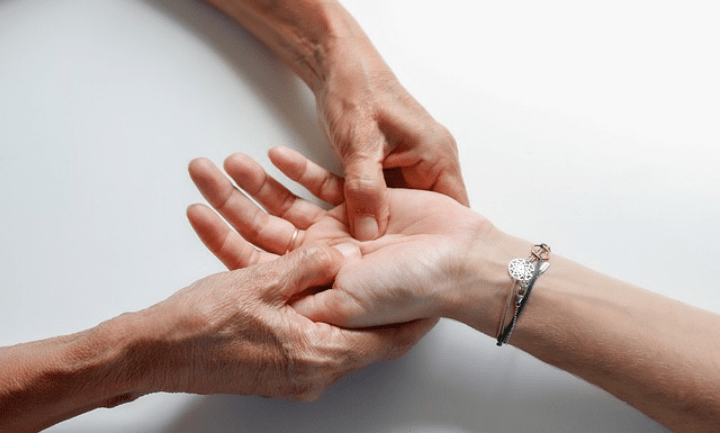
Osteoarthritis is a degener inative joint disease that affects the cartilage and bones in the joints. Cartilage is a tough, elastic tissue that covers and cushions the ends of the bones in a joint. Osteoarthritis can cause pain, stiffness, and reduced mobility in the affected joint.
Osteoarthritis Signs and Symptoms
There are many different signs and symptoms of osteoarthritis. Some people may only have a few signs and symptoms, while others may have many. The most common signs and symptoms of osteoarthritis include:
* pain in the joints
* stiffness in the joints
* a feeling of joint weakness
* joint swelling
* limited range of motion in the joints
These signs and symptoms can vary from person to person, and they may change over time.
Osteoarthritis Causes
There is no one cause for osteoarthritis, but there are several factors that can increase your risk of developing the condition. These include:
Age – Osteoarthritis is most common in people over the age of 65.
– Osteoarthritis is most common in people over the age of 65. Genetics – Some people are born with a higher risk of developing osteoarthritis.
– Some people are born with a higher risk of developing osteoarthritis. Obesity – Carrying too much weight puts pressure on your joints, which can increase your risk of developing osteoarthritis.
– Carrying too much weight puts pressure on your joints, which can increase your risk of developing osteoarthritis. Injury – Joint injuries can increase your risk of developing osteoarthritis.
– Joint injuries can increase your risk of developing osteoarthritis. Occupation – Jobs that involve repetitive use of certain joints, such as carpentry or plumbing, can increase your risk of developing osteoarthritis.

Osteoarthritis Risk Factors
There are many different risk factors for developing osteoarthritis. Some of these risk factors are things that you cannot change, such as your age or your sex. Some of the risk factors that you can change are:
- Obesity: carrying too much weight puts extra stress on your joints, which can lead to arthritis.
- Overuse: using a joint over and over again without giving it time to rest can damage the cartilage and increase your risk for arthritis.
- Injury: if you have injured a joint in the past, you are more likely to develop arthritis in that joint later on.

The Difference Between Osteoarthritis and Rheumatoid Arthritis
Osteoarthritis is a type of arthritis that develops when the cartilage in your joints breaks down over time. This can lead to pain, stiffness, and swelling in your joints. Rheumatoid arthritis is a type of arthritis that’s caused by inflammation in the lining of your joints. It can also cause joint pain, stiffness, and swelling.
How to Treat Osteoarthritis
There is no single cure for osteoarthritis, but there are many ways to manage the condition and improve your quality of life. Treatment plans typically involve a combination of self-care measures, medications, and physical therapy.
Self-care tips:
– Apply heat or cold to the affected joint to provide relief from pain and inflammation.
– Maintain a healthy weight. Excess weight puts extra stress on your joints, which can worsen inflammation and pain.
– Exercise regularly. Regular exercise can help improve flexibility and range of motion as well as strengthen the muscles around your joints. Talk to your doctor before starting an exercise program.
– Use assistive devices as needed, such as a cane or walker, to help you move more easily.
Medications:
There are many different types of medications that can be prescribed for osteoarthritis, including pain relievers, anti-inflammatory drugs, and corticosteroid injections. Your doctor will recommend the best medications for you based on your individual needs and health history.
Physical therapy:
Physical therapy can be an effective way to improve mobility and reduce pain in people with osteoarthritis. A physical therapist will create a personalized treatment plan that may include exercises, stretches, and other interventions designed to improve function and reduce inflammation.
Osteoarthritis is a degenerative joint disease that results in the deterioration of the cartilage that cushions the ends of bones within a joint. This can lead to pain, stiffness, and swelling in the joint.

- A New Way of Looking at Arthritis: Healing Beyond the Joints|Joint Care TipsDiscover a transformative approach to arthritis. Learn how diet, movement, stress management, herbs, and lifestyle choices can reduce inflammation, relieve pain, and improve joint health naturally. Introduction For decades, the story of arthritis… Read more: A New Way of Looking at Arthritis: Healing Beyond the Joints|Joint Care Tips
- Osteoarthritis Myths Debunked: Evidence-Based Truths About Joint Health: Joint Care TipsDebunking common osteoarthritis myths—discover the truth about joint regeneration, pain management, and non-surgical treatments. Learn how to protect your joints with science-backed strategies! Introduction Osteoarthritis (OA) affects millions worldwide, yet it remains one… Read more: Osteoarthritis Myths Debunked: Evidence-Based Truths About Joint Health: Joint Care Tips
- How to Create a Daily Journal to Track Your Arthritis Symptoms: Joint Care TipsLearn how to create a simple and effective daily journal to track your arthritis symptoms, manage flare-ups, and improve your overall joint health. Introduction Arthritis can be a challenging condition to manage, affecting… Read more: How to Create a Daily Journal to Track Your Arthritis Symptoms: Joint Care Tips
- How to Use Natural Remedies to Enhance Your Arthritis Treatment Plan: Joint Care TipsDiscover natural remedies to complement your arthritis treatment plan. Learn about anti-inflammatory foods, herbal supplements, exercise, and lifestyle changes to reduce pain and improve joint health naturally. Introduction Arthritis is a common condition… Read more: How to Use Natural Remedies to Enhance Your Arthritis Treatment Plan: Joint Care Tips
- The Role of Vitamin D in Arthritis: Natural Sources and Benefits: Joint Care TipsDiscover the role of Vitamin D in arthritis, including its benefits for joint health, natural sources (sunlight, fatty fish, fortified foods), and how deficiency may worsen inflammation. Learn how maintaining optimal Vitamin D… Read more: The Role of Vitamin D in Arthritis: Natural Sources and Benefits: Joint Care Tips
 Joint Care Tips
Leave a comment