An estimated 50 million Americans suffer from some form of arthritis , making it one of the most common chronic diseases in the country. While medications and surgery can offer relief for some people, many find that they need to seek additional treatments in order to manage their arthritis pain effectively.
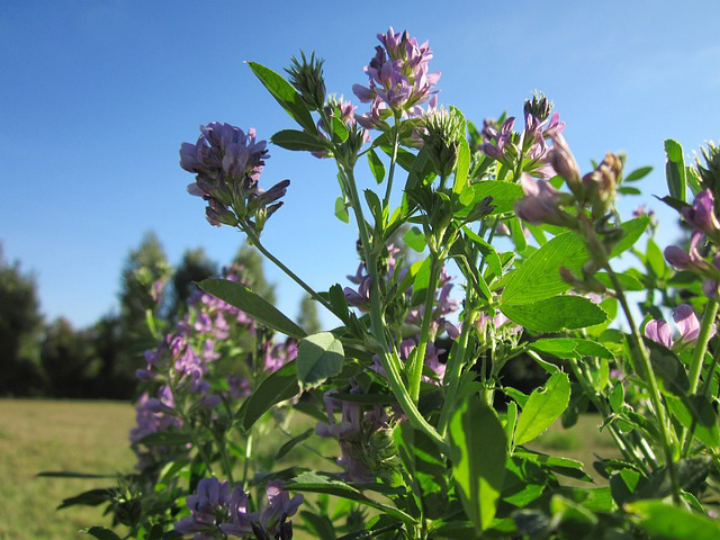
A growing number of people are turning to alfalfa as a potential treatment for arthritis. Alfalfa is a plant that is high in minerals and vitamins, and has been used for centuries in traditional medicine to treat a variety of conditions.
A 2006 study published in the Journal of Agricultural and Food Chemistry found that alfalfa leaf extract may help reduce inflammation in people with arthritis. However, the study was small and more research is needed to confirm these findings.
So far, research on the effects of alfalfa on arthritis is limited. However, some small studies have found that taking alfalfa supplements may help to reduce pain and inflammation in people with arthritis.
Alfalfa nutrition facts
Alfalfa is a high-quality forage crop that is rich in nutrients. It is an excellent source of protein, fiber, and minerals like calcium and magnesium. Alfalfa also contains a variety of vitamins, including vitamin A, vitamin C, and vitamin K.
Alfalfa is high in protein, fiber and a variety of vitamins and minerals.
A 1-cup serving of alfalfa sprouts contains:
8 grams of protein
5 grams of dietary fiber
100% of the Daily Value (DV) for vitamin K
76% DV for vitamin C
54% DV for magnesium
30% DV for folate
One potential benefit of alfalfa is that it is a natural source of minerals and vitamins. It contains high levels of magnesium, potassium, vitamin K, and other nutrients that are essential for good health. These minerals and vitamins may help to reduce inflammation and pain in people with arthritis.
Alfalfa may also help to improve joint health by increasing the production of synovial fluid. Synovial fluid is a viscous substance that lubricates joints and helps to reduce friction between bones. Increasing the production of synovial fluid may help to keep joints healthy and reduce pain and inflammation.
So far, the evidence on the effects of alfalfa on arthritis is limited. However, given its high mineral and vitamin content, alfalfa may be worth trying as an additional treatment for arthritis pain. Speak with your doctor before starting any new supplement regimen.
How to grow alfalfa sprouts
Alfalfa sprouts are the germinated seeds of the alfalfa plant. They are typically small, crunchy, and have a slightly bitter taste. Alfalfa sprouts are a good source of protein, vitamin C, and vitamin K.
Alfalfa sprouts are easy and fun to grow, and they are a great addition to salads and sandwiches. All you need is a jar or other container, some alfalfa seeds, water, and a sunny spot.
1. Rinse the alfalfa seeds in cool water.
2. Soak the seeds in water for 8-12 hours.
3. Drain the water from the seeds and rinse them again.
4. Spread the seeds in a thin layer on a damp paper towel or cloth and place them in a warm spot (about 70 degrees F).
5. Allow the seeds to sprout for 2-3 days, checking them every day to make sure they stay moist.
6. Once the sprouts have grown, rinse them well and store them in the fridge in a sealed container.
Alfalfa juice
To make alfalfa juice, you will need:
A juicer or blender
A few bunches of fresh alfalfa leaves, rinsed and dried
Water (optional)
- Juice or blend the fresh alfalfa leaves in a juicer or blender. If using a blender, you may need to add some water to help the leaves blend.
- Pour the juice into a glass and drink immediately. Enjoy!
How to make alfalfa tea
To make alfalfa tea, start by boiling a cup of water. Once the water has boiled, remove it from the heat and add 1-2 teaspoons of dried alfalfa leaves. Let the tea steep for 5-10 minutes, then strain it and enjoy.
Alfalfa is known for its anti-inflammatory properties, which makes it an effective way to reduce inflammation and pain in people with arthritis. The plant contains high levels of antioxidants, which help to protect the body from damage caused by free radicals. Additionally, alfalfa is a good source of nutrients like vitamin K and magnesium, both of which are beneficial for people with arthritis.

- A New Way of Looking at Arthritis: Healing Beyond the Joints|Joint Care TipsDiscover a transformative approach to arthritis. Learn how diet, movement, stress management, herbs, and lifestyle choices can reduce inflammation, relieve pain, and improve joint health naturally. Introduction For decades,… Read more: A New Way of Looking at Arthritis: Healing Beyond the Joints|Joint Care Tips
- Osteoarthritis Myths Debunked: Evidence-Based Truths About Joint Health: Joint Care TipsDebunking common osteoarthritis myths—discover the truth about joint regeneration, pain management, and non-surgical treatments. Learn how to protect your joints with science-backed strategies! Introduction Osteoarthritis (OA) affects millions worldwide,… Read more: Osteoarthritis Myths Debunked: Evidence-Based Truths About Joint Health: Joint Care Tips
- How to Create a Daily Journal to Track Your Arthritis Symptoms: Joint Care TipsLearn how to create a simple and effective daily journal to track your arthritis symptoms, manage flare-ups, and improve your overall joint health. Introduction Arthritis can be a challenging… Read more: How to Create a Daily Journal to Track Your Arthritis Symptoms: Joint Care Tips
- How to Use Natural Remedies to Enhance Your Arthritis Treatment Plan: Joint Care TipsDiscover natural remedies to complement your arthritis treatment plan. Learn about anti-inflammatory foods, herbal supplements, exercise, and lifestyle changes to reduce pain and improve joint health naturally. Introduction Arthritis… Read more: How to Use Natural Remedies to Enhance Your Arthritis Treatment Plan: Joint Care Tips
- The Role of Vitamin D in Arthritis: Natural Sources and Benefits: Joint Care TipsDiscover the role of Vitamin D in arthritis, including its benefits for joint health, natural sources (sunlight, fatty fish, fortified foods), and how deficiency may worsen inflammation. Learn how… Read more: The Role of Vitamin D in Arthritis: Natural Sources and Benefits: Joint Care Tips
 Joint Care Tips
Leave a comment