Arthritis is a common condition that causes pain and inflammation in the joints. It can be a debilitating condition, affecting people of all ages. While there are many pharmaceutical treatments available, some people seek natural remedies to alleviate their arthritis symptoms. One such natural remedy is yucca, a plant that has been used for centuries by indigenous peoples for its medicinal properties.
Yucca and Arthritis Relief
In this article, we will explore the potential benefits of yucca as a natural remedy for arthritis relief, its traditional uses, scientific research supporting its efficacy, and how it can be incorporated into a holistic approach to managing arthritis symptoms.
What is Yucca?
Yucca is a genus of perennial shrubs and trees in the family Asparagaceae, native to hot and dry regions of North and Central America. The plant is characterized by its distinctive, sword-shaped leaves and clusters of white, bell-shaped flowers. Yucca has a long history of traditional use among Native American tribes, who utilized various parts of the plant for medicinal purposes.
Traditional Uses of Yucca
Native American tribes, particularly those in the southwestern United States, have traditionally used various parts of the yucca plant to address a wide range of health conditions, including arthritis. The roots of the yucca plant were often prepared as teas, extracts, or poultices and used to reduce joint pain and inflammation. Additionally, yucca was also historically utilized to promote digestion, improve skin health, and as a general tonic for overall wellness.
Scientific Research on Yucca and Arthritis
While traditional uses provide valuable anecdotal evidence, modern scientific research has also investigated the potential benefits of yucca for arthritis relief. Yucca contains several bioactive compounds, including saponins, which are believed to possess anti-inflammatory and antioxidative properties. These compounds may help reduce inflammation in the joints and alleviate arthritis symptoms.
A study published in the “Journal of Inflammation” examined the effects of yucca extract on arthritis symptoms in a rat model. The researchers found that yucca extract demonstrated significant anti-inflammatory effects, leading to reduced swelling and improved mobility in the arthritic rats. While more research in human subjects is needed, these findings suggest that yucca may hold promise as a natural remedy for arthritis relief.
Incorporating Yucca into Arthritis Management
For individuals seeking natural alternatives to conventional arthritis treatments, incorporating yucca into their wellness routine may offer potential benefits. Yucca supplements, available in various forms such as capsules, liquid extracts, and powdered preparations, can be found in health food stores and online retailers. It is important to consult with a healthcare provider before starting any new supplement regimen, especially if you are already taking medications or have existing health conditions.
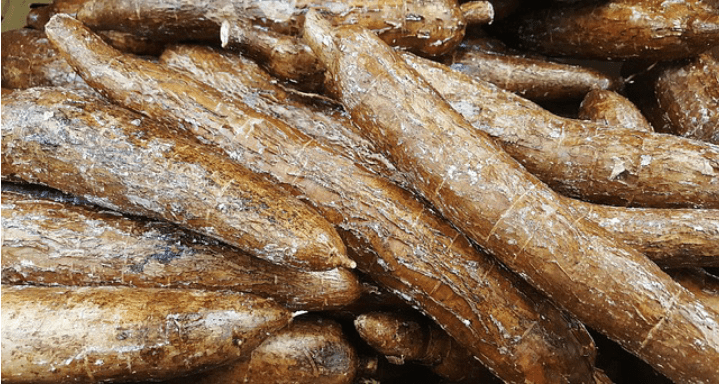
In addition to supplements, some people choose to consume yucca root as part of their diet. Yucca root, also known as cassava, is a starchy tuber that is a staple food in many cultures. It can be prepared in various ways, such as boiling, roasting, or frying, and enjoyed as a nutritious addition to meals.
Conclusion
While yucca shows promise as a natural remedy for arthritis relief, it is essential to approach its use with caution and in consultation with a healthcare professional. As with any alternative therapy, individual responses may vary, and more rigorous scientific studies are needed to fully understand the efficacy and safety of yucca for arthritis management.
In conclusion, yucca, with its rich traditional history and emerging scientific evidence, offers an intriguing avenue for individuals exploring natural approaches to managing arthritis symptoms. By blending traditional wisdom with modern research, yucca may contribute to a holistic approach to arthritis relief, empowering individuals to explore diverse options for their health and well-being.
- A New Way of Looking at Arthritis: Healing Beyond the Joints|Joint Care TipsDiscover a transformative approach to arthritis. Learn how diet, movement, stress management, herbs, and lifestyle choices can reduce inflammation, relieve pain, and improve joint health naturally. Introduction For decades, the story… Read more: A New Way of Looking at Arthritis: Healing Beyond the Joints|Joint Care Tips
- Osteoarthritis Myths Debunked: Evidence-Based Truths About Joint Health: Joint Care TipsDebunking common osteoarthritis myths—discover the truth about joint regeneration, pain management, and non-surgical treatments. Learn how to protect your joints with science-backed strategies! Introduction Osteoarthritis (OA) affects millions worldwide, yet it… Read more: Osteoarthritis Myths Debunked: Evidence-Based Truths About Joint Health: Joint Care Tips
- How to Create a Daily Journal to Track Your Arthritis Symptoms: Joint Care TipsLearn how to create a simple and effective daily journal to track your arthritis symptoms, manage flare-ups, and improve your overall joint health. Introduction Arthritis can be a challenging condition to… Read more: How to Create a Daily Journal to Track Your Arthritis Symptoms: Joint Care Tips
- How to Use Natural Remedies to Enhance Your Arthritis Treatment Plan: Joint Care TipsDiscover natural remedies to complement your arthritis treatment plan. Learn about anti-inflammatory foods, herbal supplements, exercise, and lifestyle changes to reduce pain and improve joint health naturally. Introduction Arthritis is a… Read more: How to Use Natural Remedies to Enhance Your Arthritis Treatment Plan: Joint Care Tips
- The Role of Vitamin D in Arthritis: Natural Sources and Benefits: Joint Care TipsDiscover the role of Vitamin D in arthritis, including its benefits for joint health, natural sources (sunlight, fatty fish, fortified foods), and how deficiency may worsen inflammation. Learn how maintaining optimal… Read more: The Role of Vitamin D in Arthritis: Natural Sources and Benefits: Joint Care Tips
 Joint Care Tips
Leave a comment