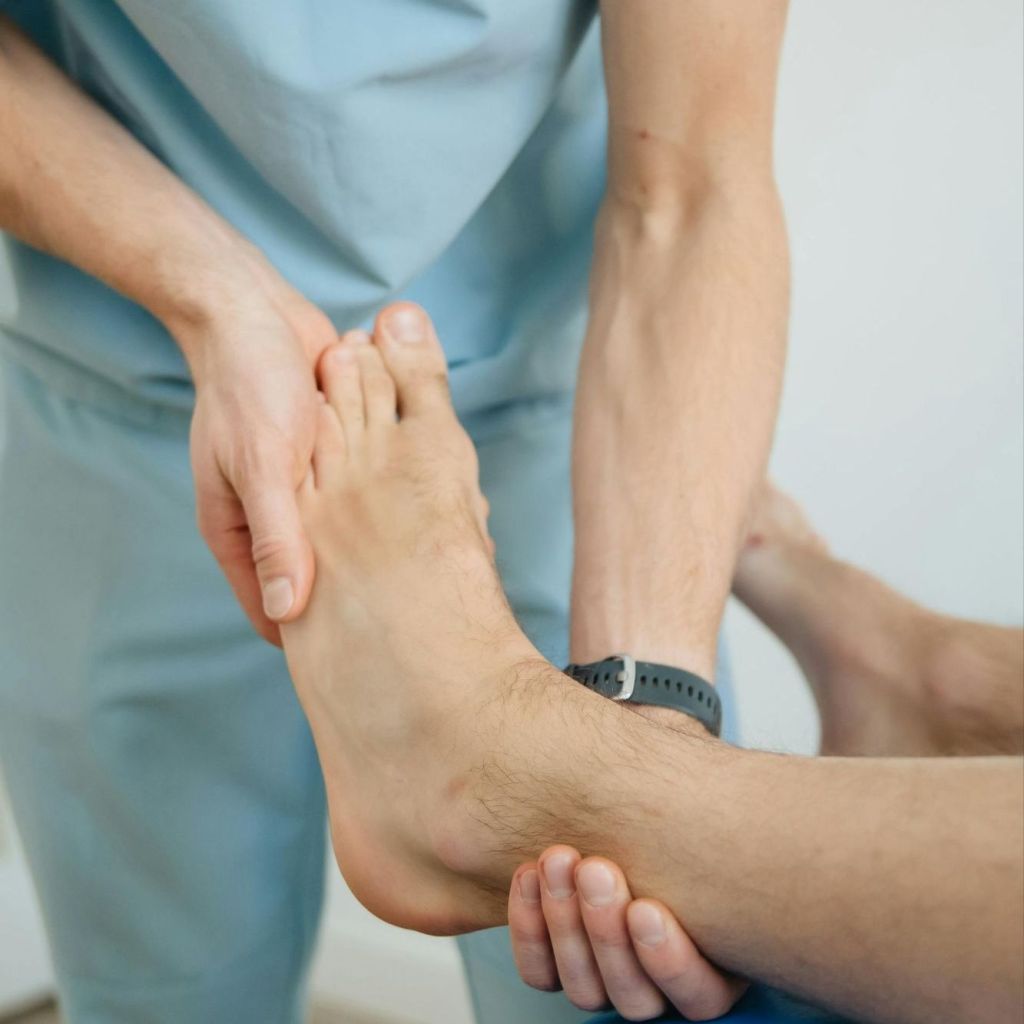
Joint pain can be a debilitating condition that affects millions of individuals across all age groups. Whether due to age-related wear and tear, injury, or chronic conditions like arthritis, joint pain can significantly impact one’s quality of life. While people may think of joint pain as a reason to rest and refrain from physical activity, exercise actually plays a critical role in joint care. This article delves into how exercise can strengthen joints, alleviate pain, and offers best practices to incorporate into your routine.
Understanding Joint Pain
Before exploring how exercise can help, it’s essential to understand the mechanics behind joint pain. Joints are the connections between bones and are surrounded by a mixture of cartilage, ligaments, tendons, and synovial fluid, which allows for smooth movement. Over time, various factors can contribute to joint pain, including:
– Increased age: Natural degeneration can lead to osteoarthritis.
– Injury: Previous injuries can result in lasting damage and inflammation.
– Overuse: Repetitive stress can strain joints, leading to pain.
– Weight: Increased body weight puts more stress on weight-bearing joints, like the knees and hips.
Why Exercise is Beneficial for Joint Health
1. Maintains Mobility: Regular movement keeps joints flexible and helps maintain their range of motion, reducing stiffness.
2. Strengthens Surrounding Muscles: Targeted exercises can strengthen the muscles around joints, providing better support and stability.
3. Reduces Pain and Inflammation: Exercise stimulates the production of synovial fluid, which lubricates joints and can help reduce stiffness and inflammation.
4. Promotes Weight Managements: Maintaining a healthy weight lessens the burden on joints, helping alleviate pain.
5. Increases Bone Density: Weight-bearing exercises can strengthen bones and reduce the risk of conditions like osteoporosis.
6. Enhances Overall Function: Regular physical activity boosts endurance and balance, making daily activities easier.
7. Improves Mental Well-Being: Exercise can also enhance mood and improve mental health, which is an essential aspect of managing chronic pain.
While any physical activity is better than none, certain exercises are particularly beneficial for joint health. Each type targets specific aspects of joint care, from flexibility to strength to endurance.
1. Range of Motion Exercises
These exercises focus on maintaining or improving the joint’s flexibility and mobility. They involve moving the joint through its full range of motion without causing pain.
Examples:
– Gentle Stretching: Neck rolls, shoulder stretches, wrist flexes, and ankle circles.
– Yoga: Poses like Cat-Cow for spinal flexibility and Child’s Pose for hips.
– Tai Chi: A gentle, flowing form of exercise that enhances balance and mobility.
2. Strengthening Exercises
Strength training is crucial to support and stabilize joints by building the muscles around them.
Examples:
– Resistance Bands: Exercises like seated leg presses or bicep curls using resistance bands.
– Bodyweight Exercises: Squats, lunges, and push-ups can help strengthen muscles without excessive strain on joints.
– Weightlifting: Incorporating light weights can help improve muscular support, but it’s important to ensure proper form and start with manageable weights.
3. Low-Impact Aerobic Exercises
These exercises get your heart rate up without putting undue pressure on the joints. They improve cardiovascular health and promote endurance.
Examples:
– Walking: One of the simplest and most effective forms of aerobic exercise.
– Swimming: Provides a full-body workout without weight-bearing stress.
– Cycling: Stationary and road cycling can improve leg strength and cardiovascular health.
– Elliptical Machines: These provide a low-impact experience that simulates running or walking.
4. Flexibility and Balance Exercises
As we age, maintaining balance becomes critical to prevent falls, which can lead to more joint issues.
Examples:
– Stretching: Incorporating gentle stretches into your daily routine.
– Balance Training: Standing on one leg, heel-to-toe walking, or using balance boards.
– Pilates: This discipline focuses on flexibility, core strength, and balance.
Types of Exercises for Joint Care
Best Practices for Joint Care Through Exercise
To maximize the benefits of exercise for joint health and minimize the risk of injury, consider the following best practices.
1. Consult with a Medical Professional.
Before starting any new exercise program, particularly if suffering from chronic joint pain or a medical condition, it’s advisable to consult with a healthcare provider. A physical therapist can develop a personalized exercise plan tailored to individual needs.
2. Start Slow and Progress Gradually
If you’ve been inactive, begin with low-intensity exercises and gradually increase the intensity, duration, and frequency. Short sessions can build momentum without overwhelming the joints.
3. Incorporate Variety
Include a mix of flexibility, strength, and aerobic exercises in your routine. This variety helps to avoid overuse injuries and keeps you engaged.
4. Listen to Your Body
Pay attention to how your body responds to exercise. Mild discomfort may be normal, but sharp pain is a sign to stop and reassess your activities. Adjust movements if you feel pain during certain exercises.
5. Warm-Up and Cool Down
Always incorporate a warm-up and cool-down period in your exercise routine. This preparation helps to increase blood flow to muscles and joints, reducing the risk of injury.
6. Use Proper Technique
Utilizing proper form is essential in preventing injuries. If you are unfamiliar with exercises, consider working with a physical therapist or personal trainer who can guide you through proper techniques.
7. Stay Hydrated
Drink plenty of water before, during, and after exercise to avoid dehydration, as this can exacerbate joint pain.
8. Incorporate Mindfulness
Combining mindfulness techniques with exercise can help enhance the benefits. Practices such as focusing on breath during yoga or tai chi can reduce stress and improve overall well-being, which can positively affect pain perception.
9. Invest in Proper Footwear
Wearing supportive and comfortable shoes can provide the necessary cushion for your feet and joints during exercise.
10. Consider Joint Supplements
While there is evidence to support some supplements, like glucosamine and chondroitin, consult a healthcare provider for guidance on their effectiveness and proper usage.
Conclusion
Exercise is a cornerstone of joint care that can significantly mitigate pain, enhance flexibility, and preserve mobility. Despite the instinct to protect sore joints by avoiding movement, well-structured and appropriate exercises can lead to substantial benefits. By integrating a mix of range of motion, strengthening, low-impact aerobics, and balance exercises, individuals can create a holistic approach to joint care.
Always remember to tailor your exercise program to fit your individual needs and limitations, consult with healthcare professionals when necessary, and prioritize listening to your body. Ultimately, adopting an active lifestyle not only enhances joint health but also contributes to overall physical and mental well-being, empowering individuals to live life to the fullest, free of pain.
Whether you’re dealing with chronic pain or seeking to maintain healthy joints as you age, the key takeaway is clear: exercise is not just beneficial, it’s essential.
 Joint Care Tips
Leave a comment