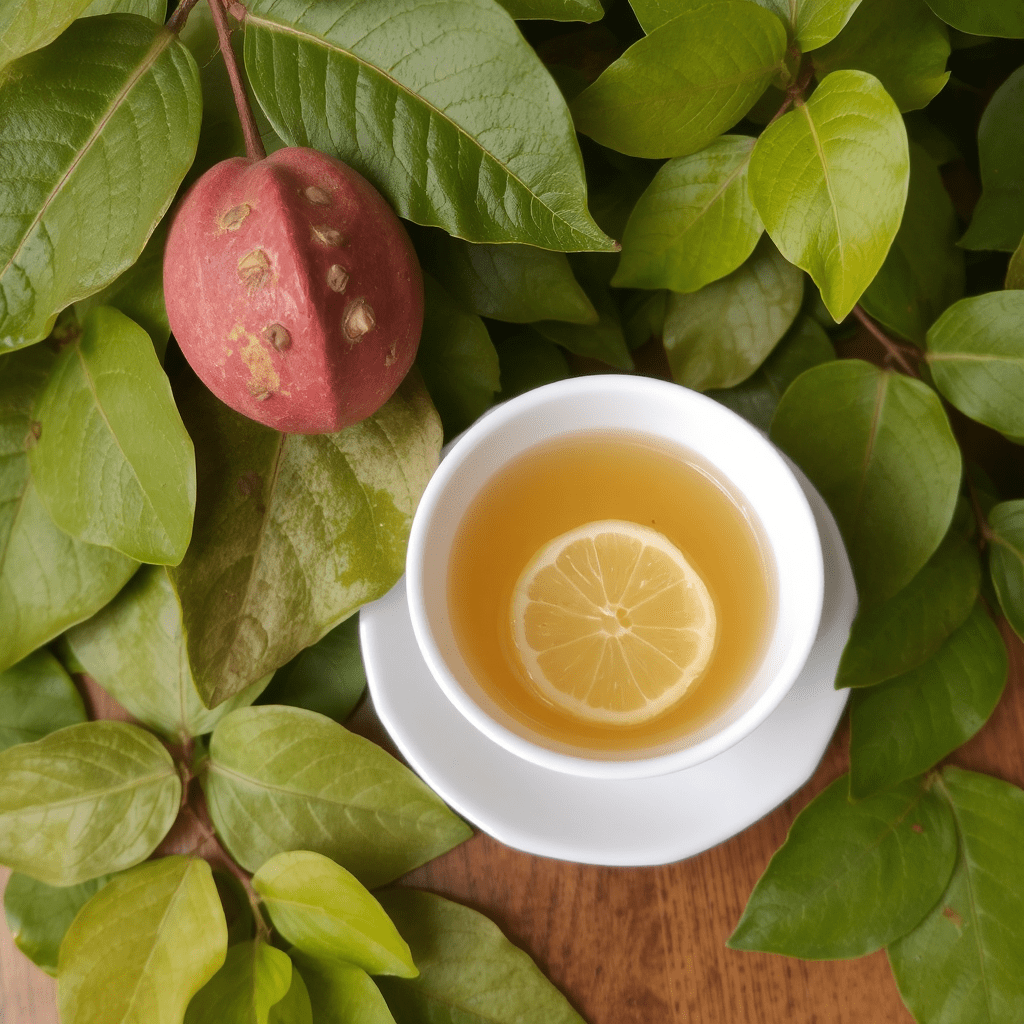
Guava (Psidium guajava) is a tropical fruit known for its sweet flavor and numerous health benefits. While the fruit itself is widely consumed, the leaves of the guava tree have also been used in traditional medicine for centuries. Guava leaves are rich in various bioactive compounds that contribute to their therapeutic properties, particularly in joint care and pain relief. This article explores the nutritional value of guava leaves, their traditional medicinal uses, scientific evidence supporting their efficacy, and precautions to consider when using them.
Nutritional Value of Guava Leaves
Guava leaves are packed with essential nutrients and bioactive compounds that contribute to their health benefits. Some of the key components include:
1. Vitamins: Guava leaves are rich in vitamins A, C, and E, which are known for their antioxidant properties. Vitamin C, in particular, plays a crucial role in collagen synthesis, essential for maintaining healthy joints.
2. Minerals: They contain important minerals such as calcium, magnesium, potassium, and phosphorus, which are vital for bone health and muscle function.
3. Polyphenols: Guava leaves are abundant in polyphenolic compounds, including flavonoids and tannins. These compounds have anti-inflammatory and antioxidant properties, which can help reduce joint pain and inflammation.
4. Essential Oils: The leaves contain essential oils that have antimicrobial and anti-inflammatory effects, further enhancing their therapeutic potential.
5. Dietary Fiber: While not a primary source, guava leaves also contain dietary fiber, which aids in digestion and overall health.
Traditional Medicinal Uses
In various cultures, guava leaves have been used for their medicinal properties. Some traditional uses related to joint care and pain relief include:
1. Anti-inflammatory Properties: Guava leaves have been traditionally used to reduce inflammation in the body. This is particularly beneficial for individuals suffering from arthritis or other inflammatory joint conditions.
2. Pain Relief: The leaves are often brewed into teas or used in poultices to alleviate pain associated with joint disorders. The anti-inflammatory properties of the leaves help in reducing swelling and discomfort.
3. Antioxidant Effects: The high antioxidant content in guava leaves helps combat oxidative stress, which can contribute to joint degeneration and pain.
4. Digestive Health: Traditional medicine often emphasizes the connection between gut health and joint health. Guava leaves are used to improve digestion, which may indirectly benefit joint health by reducing inflammation.
5. Wound Healing: In some cultures, guava leaves are applied topically to wounds and injuries, promoting healing and reducing pain.
Scientific Evidence
While traditional uses of guava leaves are well-documented, scientific research has begun to explore their efficacy in joint care and pain relief. Here are some key findings:
1. Anti-inflammatory Studies: Research has shown that guava leaf extracts possess significant anti-inflammatory properties. A study published in the *Journal of Ethnopharmacology* found that guava leaf extract reduced inflammation in animal models, suggesting potential benefits for conditions like arthritis.
2. Analgesic Effects: A study in the *Journal of Medicinal Food* demonstrated that guava leaf extract exhibited analgesic effects in animal models, indicating its potential as a natural pain reliever.
3. Antioxidant Activity: The antioxidant capacity of guava leaves has been confirmed in various studies. A study published in the *International Journal of Food Sciences and Nutrition* highlighted the high levels of polyphenols in guava leaves, which contribute to their ability to scavenge free radicals and reduce oxidative stress.
4. Bone Health: Some research suggests that the minerals and vitamins found in guava leaves may support bone health. A study in the *Journal of Bone and Mineral Research* indicated that certain compounds in guava leaves could enhance bone density and strength.
5. Clinical Trials: While more clinical trials are needed, preliminary studies have shown promising results in using guava leaves for managing joint pain and inflammation. These studies often focus on the extract’s effects rather than the leaves themselves, indicating a need for further research on whole leaf applications.
Precautions
While guava leaves offer numerous health benefits, it is essential to consider certain precautions before using them for joint care and pain relief:
1. Consult a Healthcare Professional: Before incorporating guava leaves into your health regimen, especially if you have pre-existing medical conditions or are taking medications, consult a healthcare professional.
2. Allergic Reactions: Some individuals may be allergic to guava or its leaves. It is advisable to perform a patch test or start with a small amount to check for any adverse reactions.
3. Pregnancy and Breastfeeding: Pregnant or breastfeeding women should exercise caution and consult a healthcare provider before using guava leaves, as their effects during these periods are not well-studied.
4. Dosage: There is no standardized dosage for guava leaves, and excessive consumption may lead to gastrointestinal discomfort. It is best to start with small amounts and gradually increase as tolerated.
5. Interactions with Medications: Guava leaves may interact with certain medications, particularly those affecting blood sugar levels. Individuals on diabetes medication should monitor their blood sugar closely when using guava leaves.
How to Use Guava Leaves for Joint Care
There are several ways to incorporate guava leaves into your routine for joint care and pain relief:
1. Guava Leaf Tea: One of the most common methods is to brew guava leaves into a tea. To make guava leaf tea, follow these steps:
– Take a handful of fresh guava leaves or 1-2 teaspoons of dried leaves.
– Boil 2 cups of water and add the leaves.
– Let it steep for 10-15 minutes.
– Strain and enjoy. You can add honey or lemon for flavor.
2. Guava Leaf Poultice: For localized pain relief, a poultice can be made by crushing fresh guava leaves and applying them directly to the affected area. Cover with a clean cloth and leave it on for 30-60 minutes.
3. Guava Leaf Extract: Guava leaf extracts are available in health stores and can be taken as supplements. Follow the manufacturer’s instructions for dosage.
4. Incorporating into Meals: Dried guava leaves can be ground into a powder and added to smoothies, soups, or other dishes for added health benefits.
Conclusion
Guava leaves are a treasure trove of health benefits, particularly in the realm of joint care and pain relief. Their rich nutritional profile, combined with traditional medicinal uses and emerging scientific evidence, highlights their potential as a natural remedy for joint-related issues. However, it is crucial to approach their use with caution and consult healthcare professionals when necessary. As research continues to unfold, guava leaves may become an integral part of holistic approaches to managing joint pain and promoting overall health.
- A New Way of Looking at Arthritis: Healing Beyond the Joints|Joint Care TipsDiscover a transformative approach to arthritis. Learn how diet, movement, stress management, herbs, and lifestyle choices can reduce inflammation, relieve pain, and improve joint health naturally. Introduction For decades, the story of arthritis has been written in a way that leaves most people feeling powerless. We’ve been told that our joints are simply “wearing out,”… Read more: A New Way of Looking at Arthritis: Healing Beyond the Joints|Joint Care Tips
- Osteoarthritis Myths Debunked: Evidence-Based Truths About Joint Health: Joint Care TipsDebunking common osteoarthritis myths—discover the truth about joint regeneration, pain management, and non-surgical treatments. Learn how to protect your joints with science-backed strategies! Introduction Osteoarthritis (OA) affects millions worldwide, yet it remains one of the most misunderstood conditions. Many believe it’s an inevitable part of aging, that cartilage loss is irreversible, and that joint replacement… Read more: Osteoarthritis Myths Debunked: Evidence-Based Truths About Joint Health: Joint Care Tips
- How to Create a Daily Journal to Track Your Arthritis Symptoms: Joint Care TipsLearn how to create a simple and effective daily journal to track your arthritis symptoms, manage flare-ups, and improve your overall joint health. Introduction Arthritis can be a challenging condition to manage, affecting not only your physical health but also your emotional well-being. One effective way to take control of your arthritis is by keeping… Read more: How to Create a Daily Journal to Track Your Arthritis Symptoms: Joint Care Tips
- How to Use Natural Remedies to Enhance Your Arthritis Treatment Plan: Joint Care TipsDiscover natural remedies to complement your arthritis treatment plan. Learn about anti-inflammatory foods, herbal supplements, exercise, and lifestyle changes to reduce pain and improve joint health naturally. Introduction Arthritis is a common condition that affects millions of people worldwide, causing pain, stiffness, and inflammation in the joints. While conventional treatments such as medications and physical… Read more: How to Use Natural Remedies to Enhance Your Arthritis Treatment Plan: Joint Care Tips
- The Role of Vitamin D in Arthritis: Natural Sources and Benefits: Joint Care TipsDiscover the role of Vitamin D in arthritis, including its benefits for joint health, natural sources (sunlight, fatty fish, fortified foods), and how deficiency may worsen inflammation. Learn how maintaining optimal Vitamin D levels can support arthritis management and overall bone strength. Check Out: From Pain to Power: Healing Osteoarthritis Naturally Introduction Arthritis is a… Read more: The Role of Vitamin D in Arthritis: Natural Sources and Benefits: Joint Care Tips
 Joint Care Tips
Leave a comment