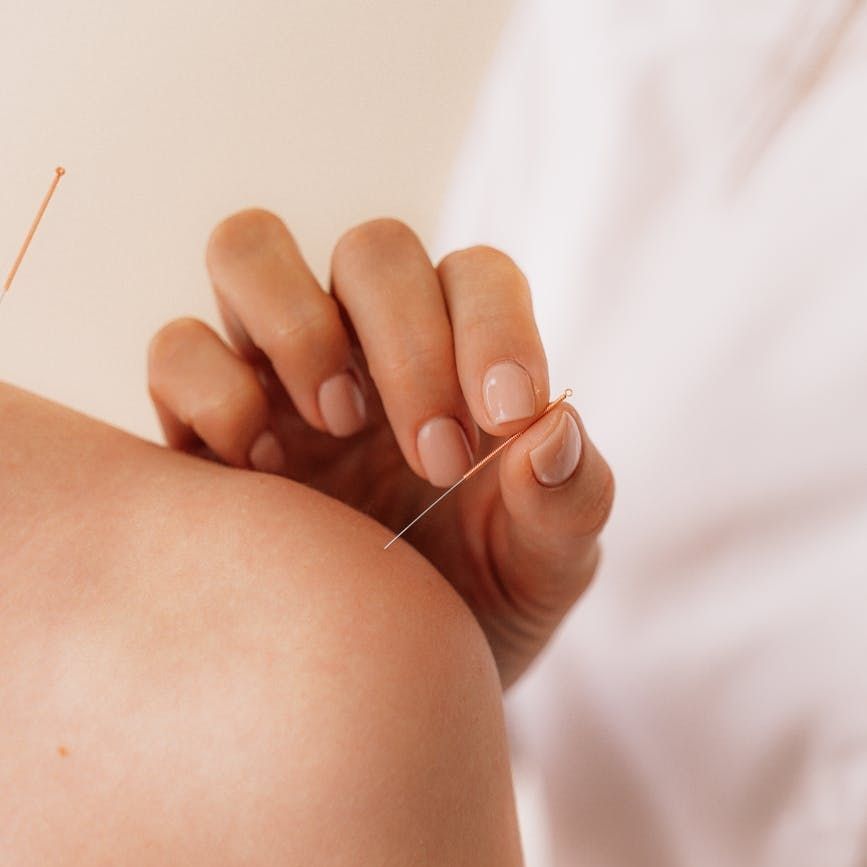
Discover the healing power of acupuncture for arthritis relief. Explore how this ancient practice offers modern solutions for managing pain, reducing inflammation, and improving mobility. Unlock the benefits of holistic care and find a natural path to wellness.
Introduction
Arthritis is a condition that affects millions of people worldwide, causing pain, stiffness, and inflammationAcupuncture for Arthritis: Ancient Wisdom for Modern Pain in the joints. While traditional treatments often focus on medication and physical therapy, many individuals are turning to alternative therapies like acupuncture to find relief. This ancient practice, rooted in Traditional Chinese Medicine (TCM), offers a holistic approach to managing arthritis symptoms. In this article, we will explore how acupuncture can help alleviate arthritis pain, the science behind it, and what you can expect from treatment.
Understanding Arthritis
Before diving into the benefits of acupuncture, it’s essential to understand what arthritis is. Arthritis is not a single disease but rather a term that encompasses over 100 different conditions affecting the joints. The most common types include osteoarthritis (OA) and rheumatoid arthritis (RA).
- Osteoarthritis is a degenerative joint disease that occurs when the cartilage cushioning the joints wears down over time. This leads to pain, swelling, and decreased mobility.
- Rheumatoid arthritis, on the other hand, is an autoimmune disorder where the body’s immune system mistakenly attacks the joints, causing inflammation and pain.
Both types of arthritis can significantly impact a person’s quality of life, making daily activities challenging. Traditional treatments often involve pain relievers, anti-inflammatory medications, and physical therapy. However, these methods may not always provide the desired relief, prompting many to seek alternative therapies like acupuncture.
The Basics of Acupuncture
Acupuncture is a key component of Traditional Chinese Medicine, which has been practiced for thousands of years. The practice involves inserting thin needles into specific points on the body, known as acupuncture points, to stimulate energy flow, or “Qi” (pronounced “chee”). According to TCM, when Qi is blocked or imbalanced, it can lead to pain and illness.
The goal of acupuncture is to restore balance and promote the body’s natural healing processes. While the concept of Qi may seem foreign to those accustomed to Western medicine, numerous studies have shown that acupuncture can have tangible benefits for various health conditions, including arthritis.
How Acupuncture Helps with Arthritis Pain
1. Pain Relief
One of the most significant benefits of acupuncture for arthritis is its ability to relieve pain. Research has shown that acupuncture can stimulate the release of endorphins, the body’s natural painkillers. These endorphins can help reduce the perception of pain, making it easier for individuals to manage their arthritis symptoms.
2. Reducing Inflammation
Inflammation is a hallmark of arthritis, particularly in autoimmune conditions like rheumatoid arthritis. Acupuncture has been shown to reduce inflammation by promoting blood flow and encouraging the release of anti-inflammatory substances in the body. This can lead to decreased swelling and discomfort in the affected joints.
3. Improving Joint Mobility
Many individuals with arthritis experience stiffness and limited range of motion in their joints. Acupuncture can help improve joint mobility by relaxing the muscles surrounding the joints and increasing blood circulation. This can make it easier for individuals to perform daily activities and maintain an active lifestyle.
4. Enhancing Overall Well-Being
Living with arthritis can take a toll on mental health, leading to feelings of frustration, anxiety, and depression. Acupuncture is known for its calming effects, which can help reduce stress and improve overall well-being. By addressing both the physical and emotional aspects of arthritis, acupuncture can contribute to a more holistic approach to pain management.
The Science Behind Acupuncture
While acupuncture has been practiced for centuries, modern research has begun to uncover the science behind its effectiveness. Studies have shown that acupuncture can influence the nervous system, leading to changes in pain perception and inflammation levels.
For example, a study published in the journal Pain found that acupuncture significantly reduced pain and improved function in patients with knee osteoarthritis. Another study in Rheumatology found that acupuncture was effective in reducing pain and improving quality of life in individuals with rheumatoid arthritis.
These findings suggest that acupuncture may be a valuable complementary therapy for those seeking relief from arthritis pain. However, it’s essential to consult with a healthcare professional before starting any new treatment.
What to Expect During an Acupuncture Session
If you’re considering acupuncture for arthritis, it’s essential to know what to expect during your first session. Here’s a step-by-step guide:
1. Initial Consultation
Your acupuncturist will begin with an initial consultation to discuss your medical history, current symptoms, and treatment goals. This information will help them create a personalized treatment plan tailored to your needs.
2. Treatment Plan
Based on your consultation, your acupuncturist will develop a treatment plan that may include a series of sessions over several weeks. The number of sessions required will vary depending on the severity of your arthritis and your individual response to treatment.
3. The Acupuncture Session
During the session, you will lie down comfortably while the acupuncturist inserts thin needles into specific acupuncture points. The needles are typically left in place for 20 to 30 minutes. Most people report feeling little to no pain during the insertion, and many find the experience relaxing.
4. Post-Treatment Care
After the session, your acupuncturist may provide recommendations for self-care, such as stretching exercises or dietary changes, to enhance the benefits of acupuncture. It’s essential to follow these recommendations to maximize your results.
Safety and Considerations
Acupuncture is generally considered safe when performed by a qualified practitioner. However, it’s essential to choose a licensed acupuncturist who has received proper training. Be sure to discuss any medical conditions or medications you are taking with your acupuncturist to ensure a safe and effective treatment plan.
While acupuncture can be beneficial for many individuals with arthritis, it may not be suitable for everyone. Those with certain medical conditions, such as bleeding disorders or infections, should consult their healthcare provider before undergoing acupuncture.
Integrating Acupuncture into Your Arthritis Management Plan
Acupuncture can be a valuable addition to your arthritis management plan, but it’s essential to approach it as part of a comprehensive strategy. Here are some tips for integrating acupuncture into your routine:
1. Consult with Your Healthcare Provider
Before starting acupuncture, discuss your interest with your healthcare provider. They can help you determine if it’s a suitable option for your specific condition and may even recommend a qualified acupuncturist.
2. Combine with Other Treatments
Acupuncture can complement traditional treatments for arthritis, such as medication and physical therapy. Combining therapies can enhance overall effectiveness and provide more comprehensive relief.
3. Maintain a Healthy Lifestyle
In addition to acupuncture, adopting a healthy lifestyle can help manage arthritis symptoms. This includes regular exercise, a balanced diet, and stress management techniques like yoga or meditation.
4. Keep Track of Your Progress
As you undergo acupuncture treatment, keep a journal to track your symptoms, pain levels, and overall well-being. This information can help you and your acupuncturist assess the effectiveness of the treatment and make any necessary adjustments.
Conclusion
Acupuncture offers a holistic approach to managing arthritis pain, drawing on ancient wisdom to provide modern relief. By addressing both the physical and emotional aspects of the condition, acupuncture can help individuals regain control over their lives and improve their overall well-being. If you’re struggling with arthritis, consider exploring acupuncture as a complementary therapy to enhance your pain management strategy.
As with any treatment, it’s essential to consult with a healthcare professional to determine the best approach for your unique situation. With the right support and a commitment to self-care, you can find relief from arthritis pain and enjoy a more active, fulfilling life.
- A New Way of Looking at Arthritis: Healing Beyond the Joints|Joint Care TipsDiscover a transformative approach to arthritis. Learn how diet, movement, stress management, herbs, and lifestyle choices can reduce inflammation, relieve pain, and improve joint health naturally. Introduction For decades, the story of arthritis has been written in a way that leaves most people feeling powerless. We’ve been told that our joints are simply “wearing out,”… Read more: A New Way of Looking at Arthritis: Healing Beyond the Joints|Joint Care Tips
- Osteoarthritis Myths Debunked: Evidence-Based Truths About Joint Health: Joint Care TipsDebunking common osteoarthritis myths—discover the truth about joint regeneration, pain management, and non-surgical treatments. Learn how to protect your joints with science-backed strategies! Introduction Osteoarthritis (OA) affects millions worldwide, yet it remains one of the most misunderstood conditions. Many believe it’s an inevitable part of aging, that cartilage loss is irreversible, and that joint replacement… Read more: Osteoarthritis Myths Debunked: Evidence-Based Truths About Joint Health: Joint Care Tips
- How to Create a Daily Journal to Track Your Arthritis Symptoms: Joint Care TipsLearn how to create a simple and effective daily journal to track your arthritis symptoms, manage flare-ups, and improve your overall joint health. Introduction Arthritis can be a challenging condition to manage, affecting not only your physical health but also your emotional well-being. One effective way to take control of your arthritis is by keeping… Read more: How to Create a Daily Journal to Track Your Arthritis Symptoms: Joint Care Tips
- How to Use Natural Remedies to Enhance Your Arthritis Treatment Plan: Joint Care TipsDiscover natural remedies to complement your arthritis treatment plan. Learn about anti-inflammatory foods, herbal supplements, exercise, and lifestyle changes to reduce pain and improve joint health naturally. Introduction Arthritis is a common condition that affects millions of people worldwide, causing pain, stiffness, and inflammation in the joints. While conventional treatments such as medications and physical… Read more: How to Use Natural Remedies to Enhance Your Arthritis Treatment Plan: Joint Care Tips
- The Role of Vitamin D in Arthritis: Natural Sources and Benefits: Joint Care TipsDiscover the role of Vitamin D in arthritis, including its benefits for joint health, natural sources (sunlight, fatty fish, fortified foods), and how deficiency may worsen inflammation. Learn how maintaining optimal Vitamin D levels can support arthritis management and overall bone strength. Check Out: From Pain to Power: Healing Osteoarthritis Naturally Introduction Arthritis is a… Read more: The Role of Vitamin D in Arthritis: Natural Sources and Benefits: Joint Care Tips
 Joint Care Tips
Leave a comment